
No products in the cart.
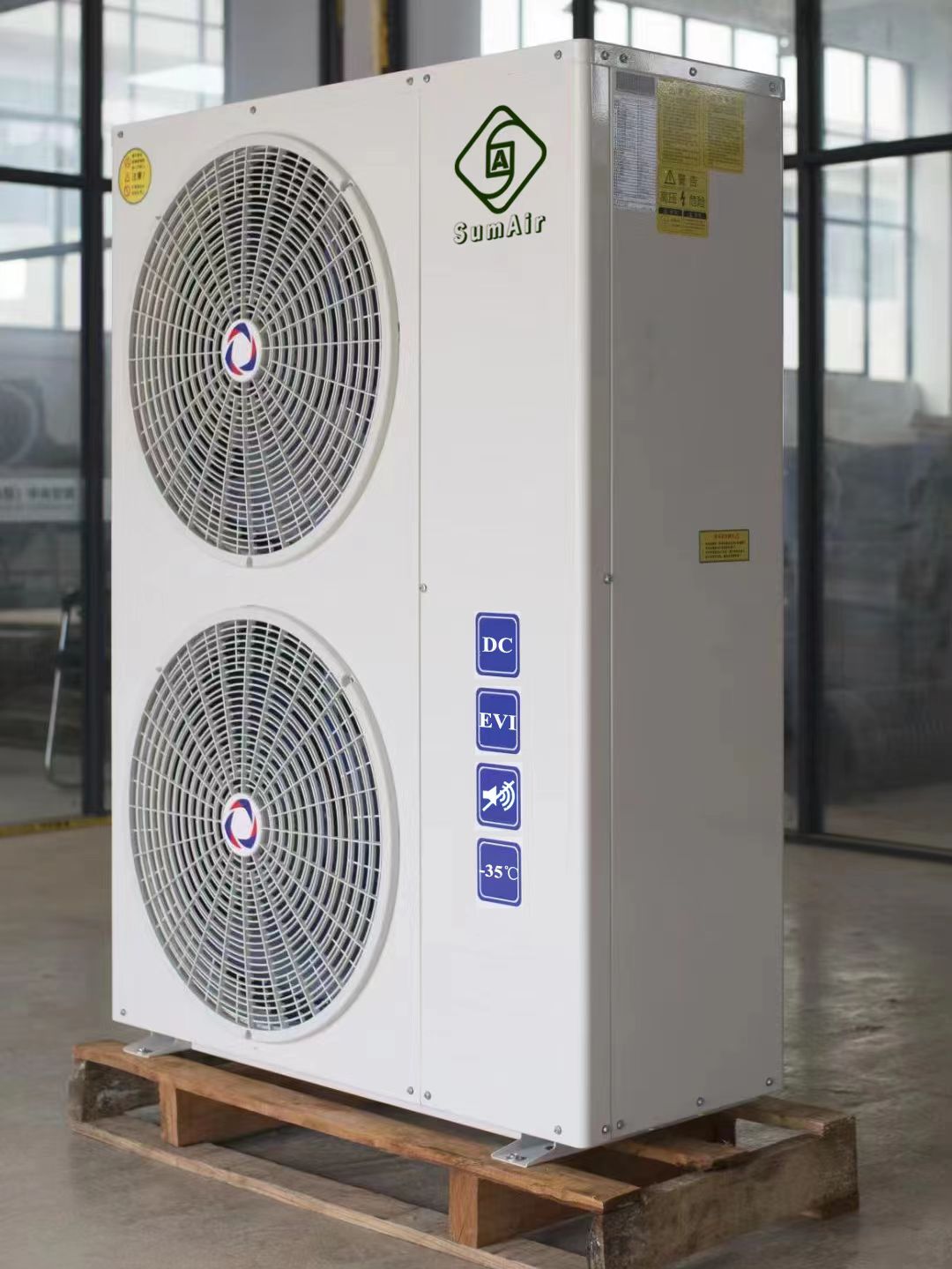

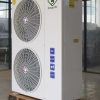

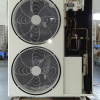
pompa ciepla monoblock 22kw low CO2 ECO friendly dc inverter heat pump air to water solar water heater
ADC-22O
- 5 years warranty
- Energy class A+++ / A++
- Quiet operation up to 58 dB
- Application for remote control of the pump for Android or iOS
- Water outlet temperature up to 60 degrees
- R32(high performance and low environmental impact)
Quote Now
Advantages of dc inverter heat pump air to water solar water heater
1. Operation
*On-Off type Heat Pump: An On-Off type heat pump operates at a constant speed determined by its design. It runs at full capacity whenever it is turned on.
*DC type Heat Pump: A DC type heat pump has a compressor with a variable speed drive. It can adjust its operating speed based on the heating or cooling demand, providing more flexibility and efficiency.
2.Energy Efficiency
*On-Off type Heat Pump:On-Off type heat pumps operate at a fixed speed regardless of the required heating or cooling load.This can lead to energy inefficiency when the load is lower than the maximum capacity.
*DC type Heat Pump: DC type heat pumps can modulate their speed according to the actual demand, resulting in higher energy efficiency. They can adjust their output to match the required load, reducing energy wastage.
3. Comfort
*On-Off type Heat Pump: On-Off type heat pumps can experience temperature fluctuations since they cycle between on and off states to maintain the desired temperature.
*DC type Heat Pump: DC type heat pumps can provide more consistent and precise temperature control. They can operate at lower speeds for longer periods, maintaining a more stable indoor temperature.
4. Noise Level
*On-Off type Heat Pump: On-Off type heat pumps may produce higher noise levels during startup and shutdown due to the abrupt changes in operation.
* DC type Heat Pump: DC type heat pumps tend to operate at lower noise levels due to their ability to modulate the compressor speed smoothly.
5. Initial Cost
*On-Off type Heat Pump: On-Off type heat pumps generally have a lower initial cost compared to variable speed heat pumps.
*DC type Heat Pump: DC type heat pumps often have a higher initial cost due to the additional technology and control systems required.
Parameter of dc inverter heat pump air to water solar water heater
Model | ADC-20O | ADC-22O | ADC-26O | ||
HP | 6HP | 7HP | 8HP | ||
Power Supply | 380-415V/50-60Hz/3ph | ||||
Heating Condition: Ambient Temp. +7℃/+6℃(WB/DB), Water Temp. +30℃/+35℃(In/Out). | |||||
Heating Capacity Rang | kW | 4.81-16.05 | 6.24-18.85 | 6.43-21.57 | |
Power Input Range | kW | 0.78-3.7 | 0.96-4.08 | 1.04-4.85 | |
Hot Water Condition: Ambient Temp. +20℃/+15℃ (DB/WB), Water Temp. +15℃/+55℃ (In/Out). | |||||
Heating Capacity Rang | kW | 5.35-19.25 | 6.74-22.66 | 6.97-25.95 | |
Power Input Range | kW | 1.06-3.98 | 1.33-4.67 | 1.44-5.45 | |
SCOP | at 35℃ water outlet | 4.84 | 4.82 | 4.85 | |
at 55℃ water outlet | 3.53 | 3.45 | 3.54 | ||
ErP Level | at 35℃ water outlet | A+++ | A+++ | A+++ | |
at 55℃ water outlet | A++ | A++ | A++ | ||
Heating operation range | Ambient | °C | -30~25 | ||
Heating side | °C | 18~60 | |||
Domestic hot water operation range | Ambient | °C | -30 ~ 43 | ||
Water side | °C | 25~60 | |||
Chilling Condition: Ambient Temp.35℃/30℃ (DB/WB), Water Temp.12℃/7℃(In/Out). | |||||
Chilling capacity | kW | 3.24-13.37 | 4.37-15.95 | 4.83-18.56 | |
Power input range | kW | 1.38-4.67 | 1.57-5.46 | 1.65-6.23 | |
Chilling operation range | Ambient | °C | 10~43 | ||
Water side | °C | 7~22 | |||
Rated water flow rate | m³/h | 2.58 | 2.93 | 2.95 | |
Rated pressure drop | kPa | 45 | 45 | 47 | |
Max. working pressure | Refrigerant | Bar | 44 | 44 | 44 |
Water | Bar | 7 | 7 | 7 | |
Controller | Micro processor based digital wire controller, LCD Touch Screen | ||||
External cabinet | Galvanized steel with powder coating | ||||
Compressor | Type | Panasonic Dual Rotary | |||
Refrigerant | R32 | ||||
Water heat exchanger | SUS 316 Brazed plate heat exchanger | ||||
Water pipe | Inlet&Outlet | DN | 25 | 25 | 32 |
Working Principle of dc inverter heat pump air to water solar water heater
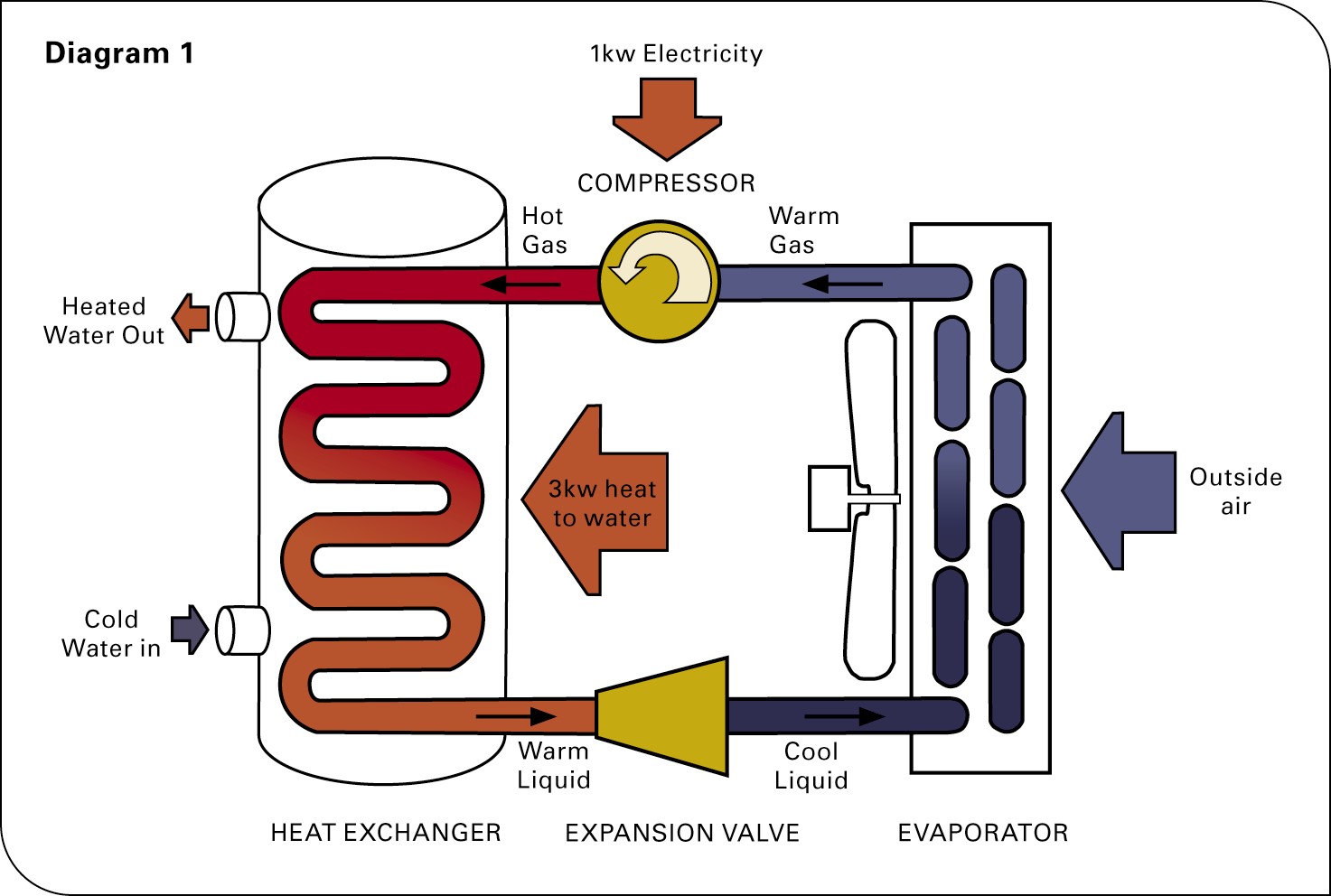
1. In the heat pump, the evaporator coil is exposed to the outside air.
2. The refrigerant enters the evaporator as a cold liquid/gas mixture at low pressure.
3. Heat from the outside air causes the refrigerant to boil into gas.
4. This gas is pumped through to the condenser coiI by a compressor which also increases the refrigerant’s temperature and pressure.
5. The refrigerant is now hotter than the temperature of the water in the tank, so heat flows out, heating up the water in the tank and condensing the refrigerant back into a liquid.
6. The refrigerant then flows through an expansion valve that allows the pressure and temperature to drop again by the time it reaches the evaporator coil.
7. Once the refrigerant reaches the evaporator coil the cycle is repeated.
SG ready

More and more energy is being extracted from environmentally friendly, renewable energy sources. Firstly, this protects the environment, but secondly poses a major challenge for the public power grids: Wind energy and photovoltaics from private households, commercial buildings or public facilities generate power on a decentralised basis. Depending on the weather conditions, they supply varying amounts of energy. This results in power generation peaks.
Smart grid-ready heat pumps can remove these power surpluses, convert them into heating energy and store them in buffer or domestic water tanks for subsequent use. Heat pumps protect the environment and the wallet of their owners by using the power primarily when it is especially favourable.
Why choose us
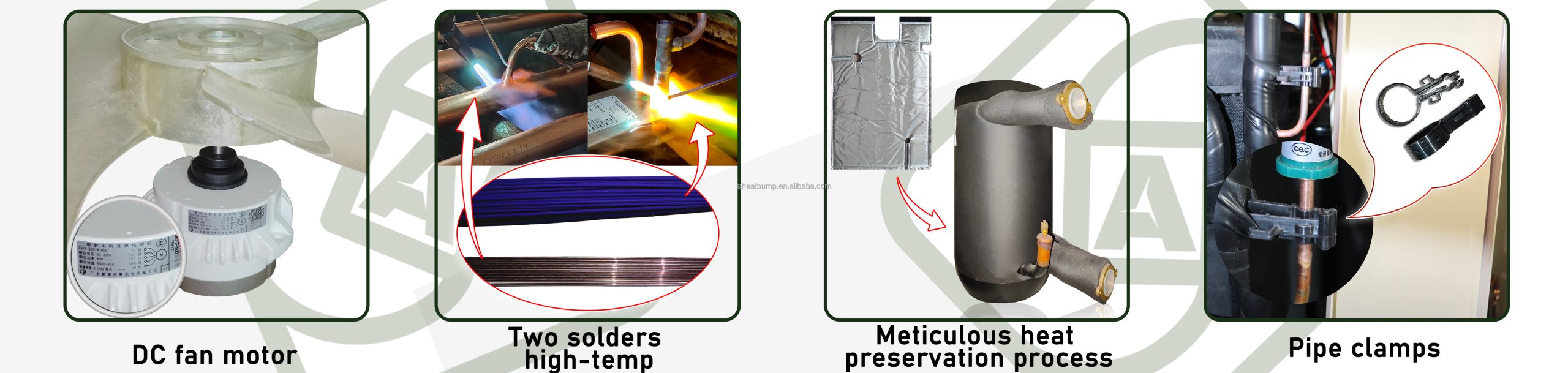
1. DC fan motor cooperates + the aerodynamic anti-freeze fan blade, quiet, energy-saving, frequency-reducing, air-noise-reducing and durable.
2. TWO solders high-temp. welding, fully improving welds’ strength to reduce gas leakage. Mysteriouse flux miraculously improves auxiliary heat conduction, removing oxides, reducing welded surface tension & increasing the area, preventing re-oxidation & >2-time prolonging pipeline’s life.
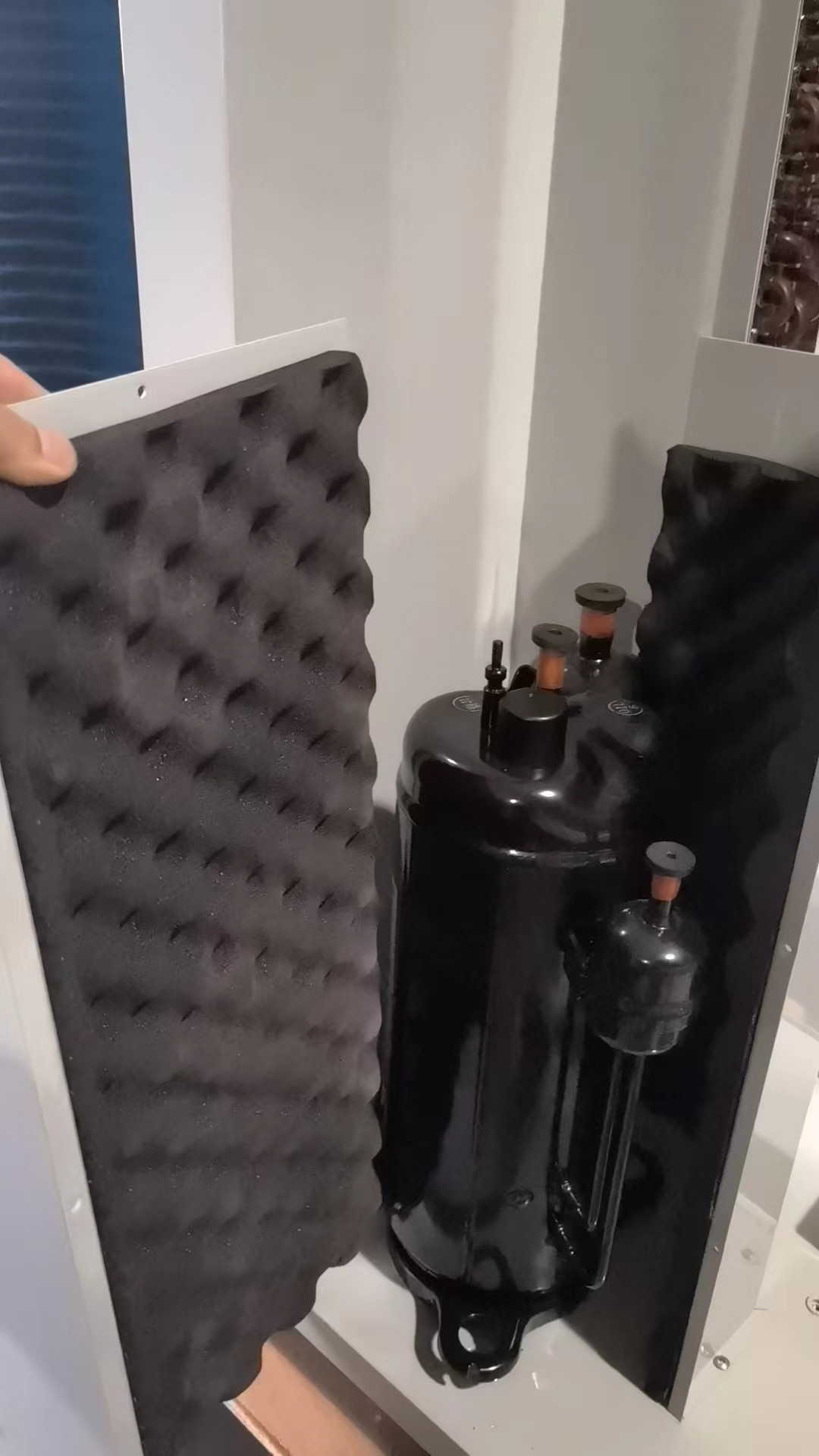
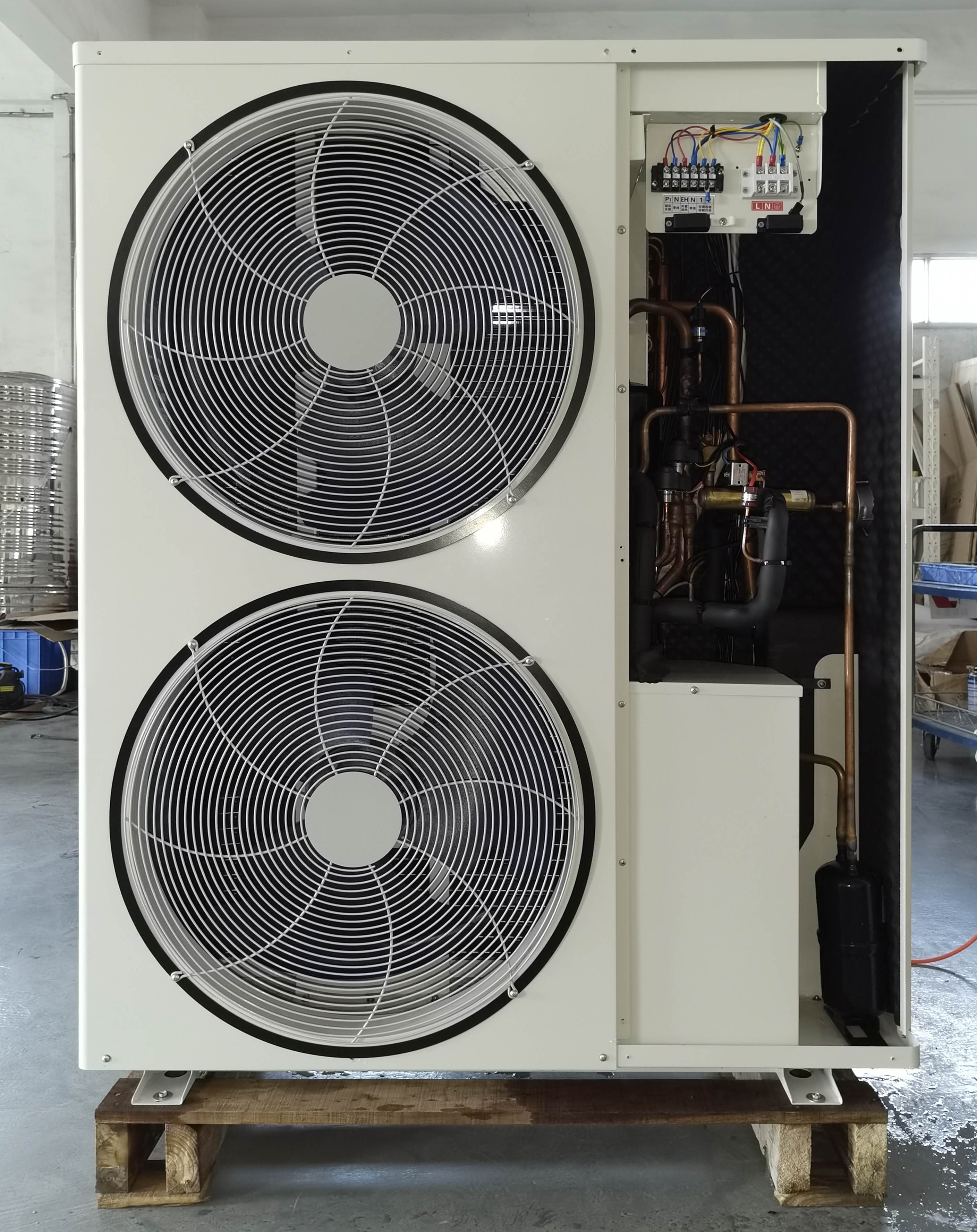
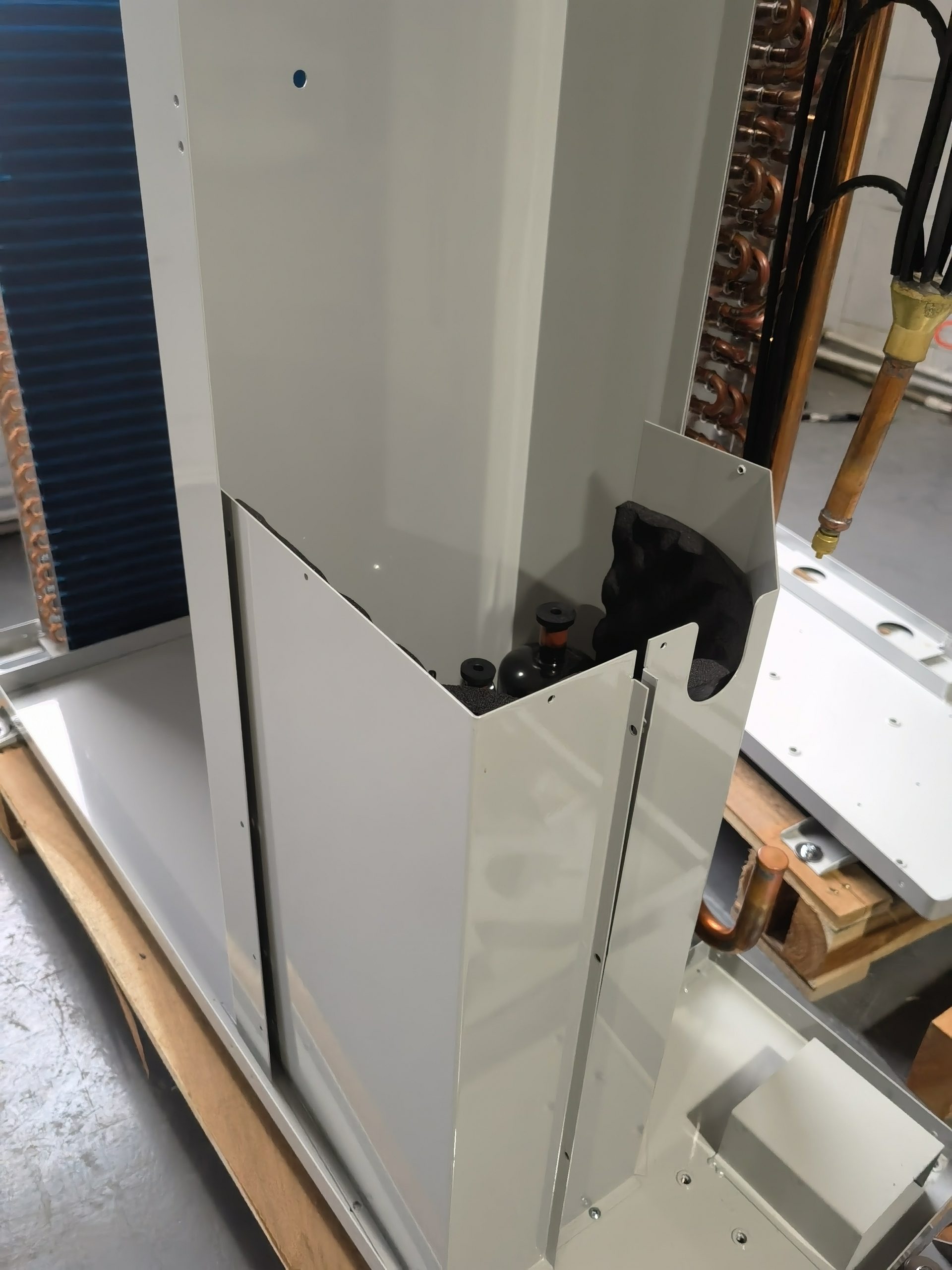
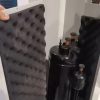
3. Meticulous heat preservation process. High-quality thermal insulation tape combines with high-density Polyeaster rubber-plastic thermal insulation foam, conducting 360°thermal insulation around components & pipes, heat loss in 24H is <4℃ & seals much noise.
4. Pipe clamps are assembled to strenthen welding gap, reducing weld pressure, resisting & absorbing the shock to pipeline, reducing gas-leakage possibility rapidly, & reducing after-sales.
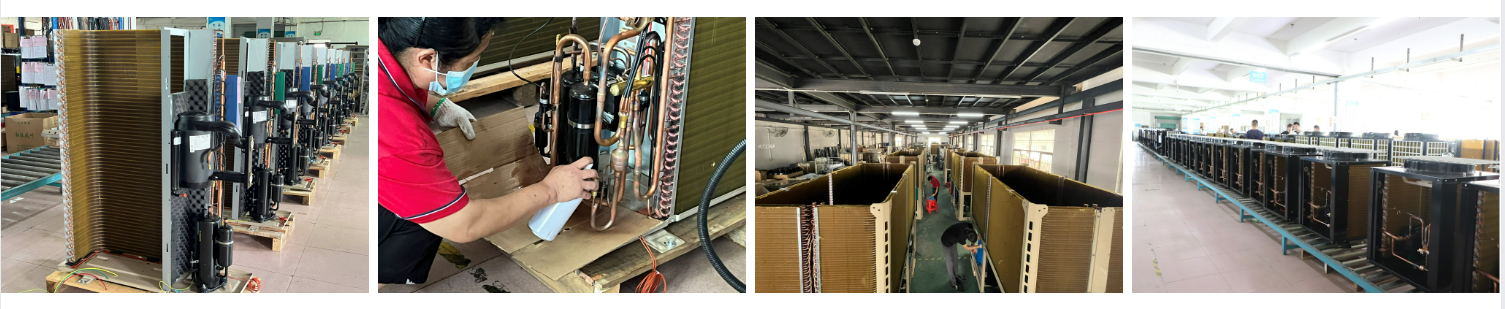
Installation Reference
