No products in the cart.
News, Vaporstorm
What image of heat pump would it be in the future of 10 or 20 years, do you think? ChatGPT say
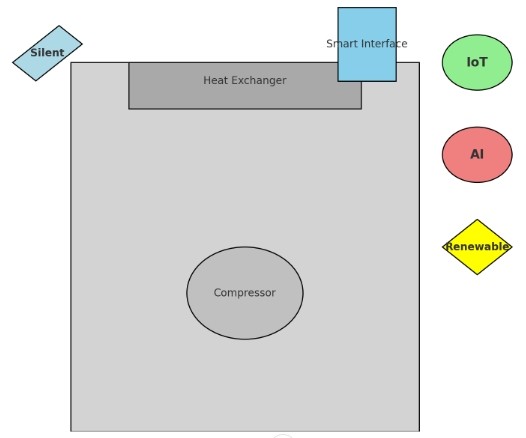
In the next 10 to 20 years, heat pumps are likely to undergo significant advancements in technology, design, and functionality. Here is an envisioned image of what heat pumps might look like in the future:
Advanced Features and Technology:
- Higher Efficiency and Performance:

Ultra Efficiency COP above 6

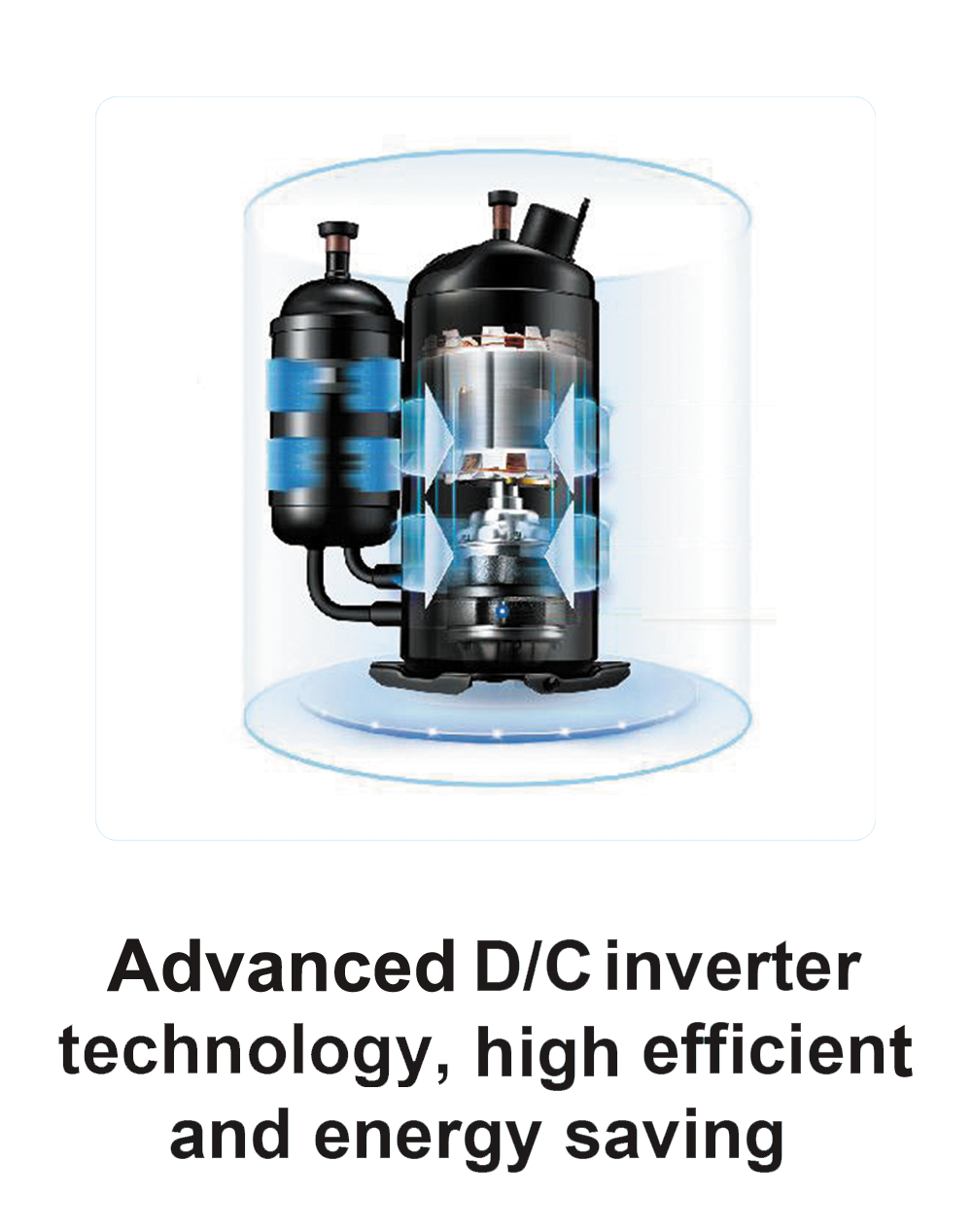
- Next-Gen Compressors: Advanced materials and technologies will lead to compressors that are more efficient and quieter.

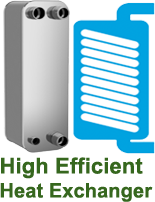
- Improved Heat Exchangers: Innovations in heat exchanger design, such as microchannel technology, will enhance heat transfer efficiency.
- Smart and Connected Systems:
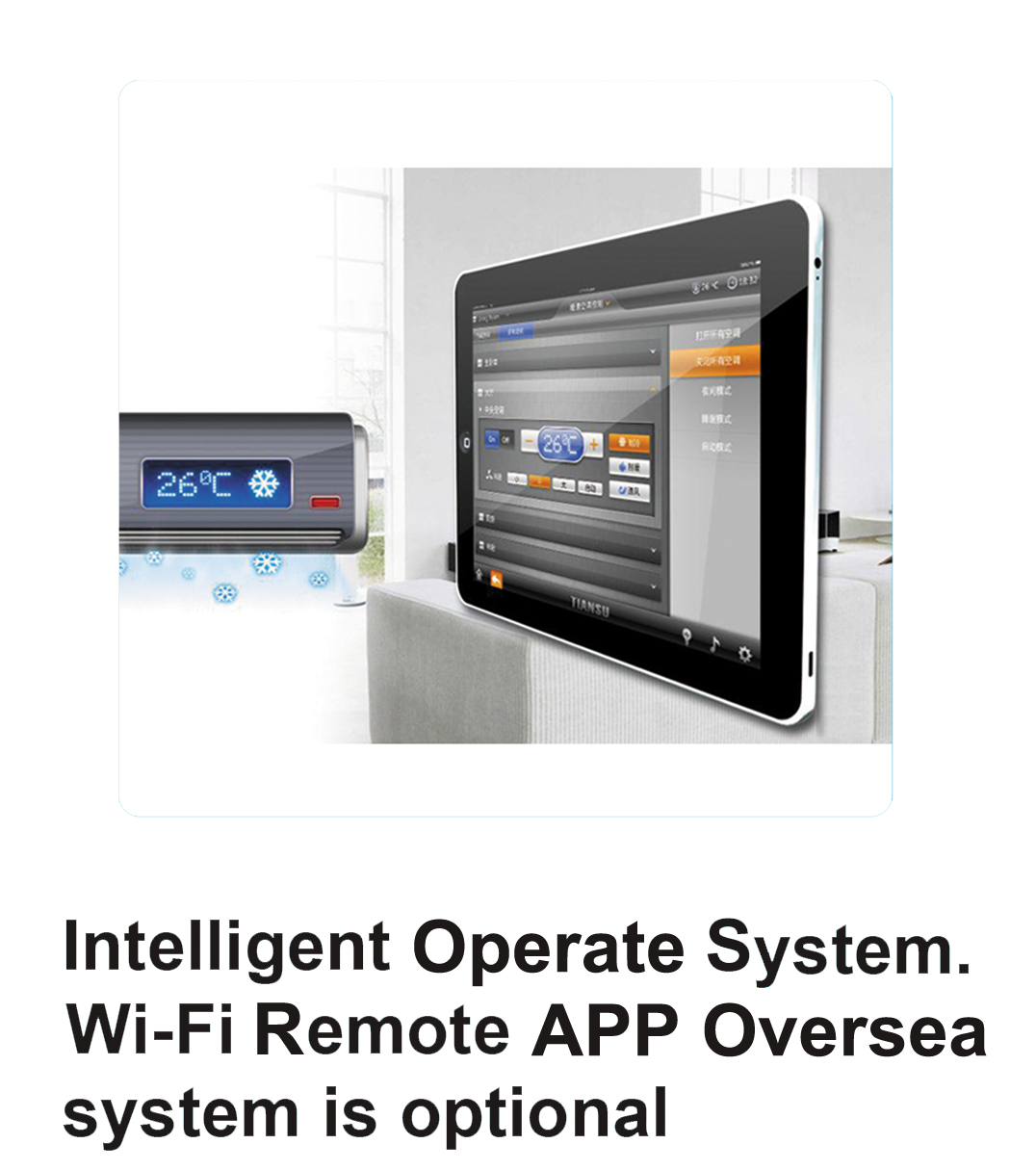
- IoT Integration: Heat pumps will be fully integrated with smart home systems, allowing for remote monitoring and control via smartphones and other devices.

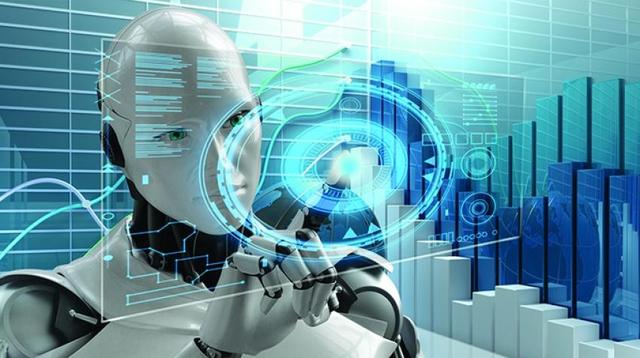
- AI and Machine Learning: AI algorithms will optimize operation based on usage patterns, weather forecasts, and energy prices, further improving efficiency and reducing costs.
- Environmental Sustainability:
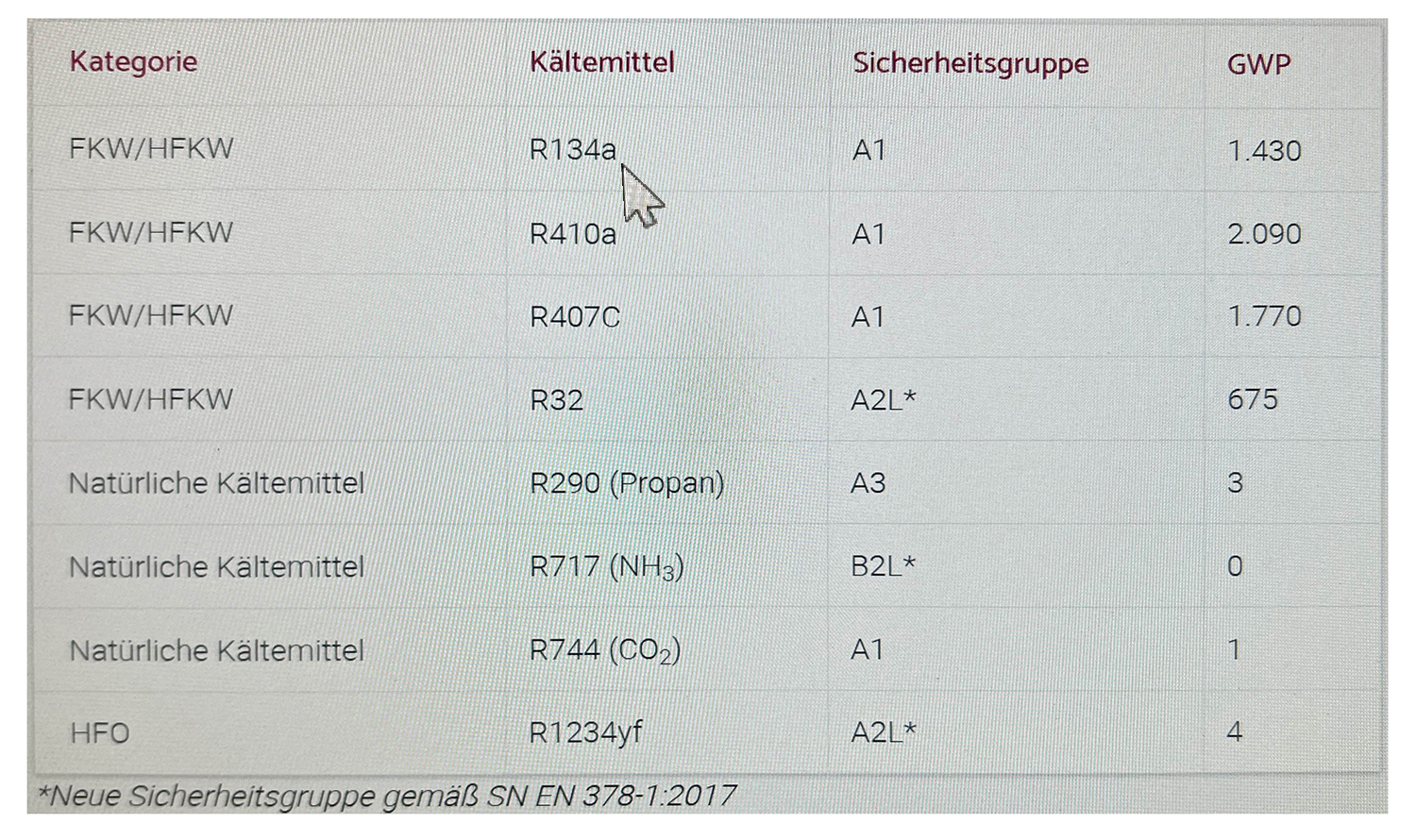
- Low-GWP Refrigerants: The use of environmentally friendly refrigerants with low global warming potential (GWP) will become standard.

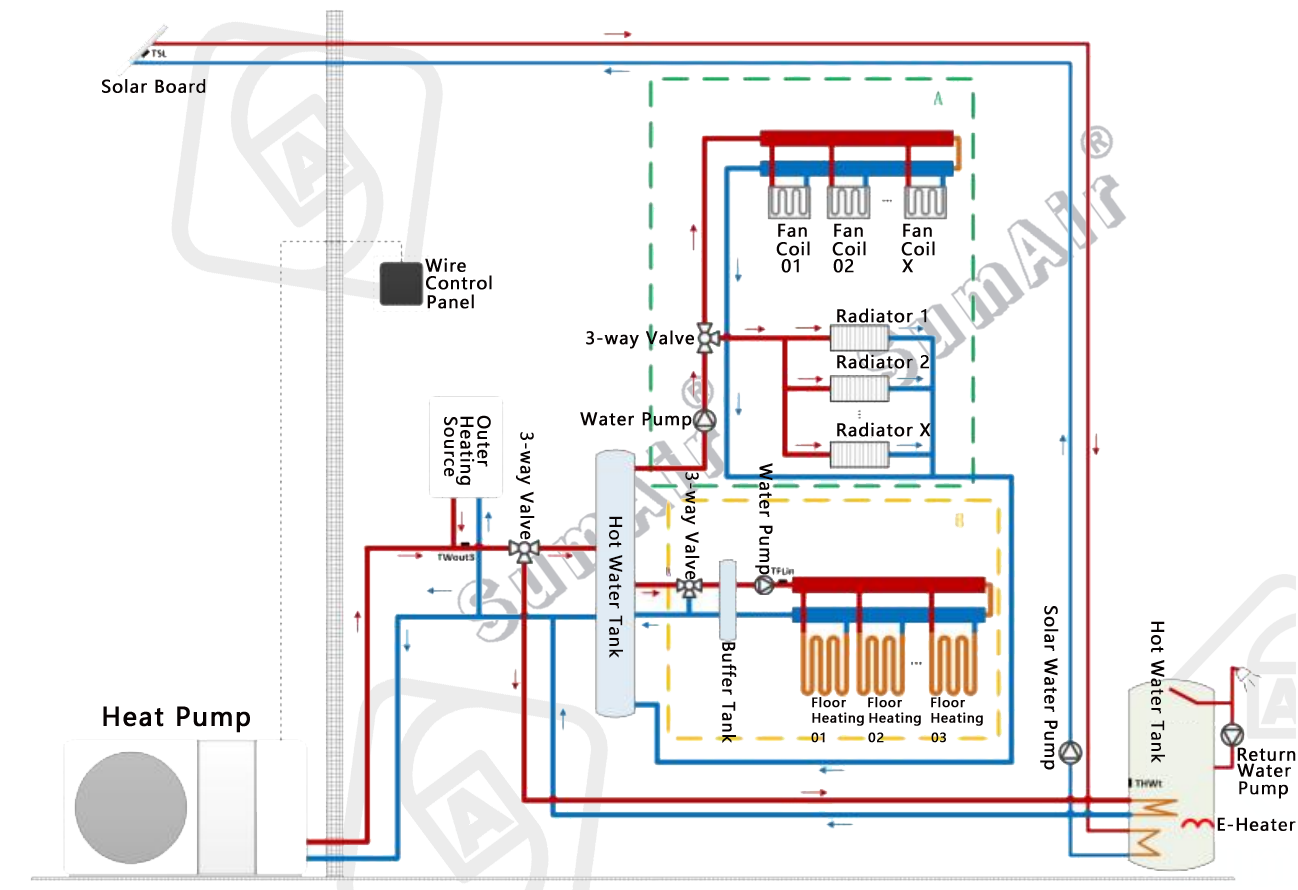
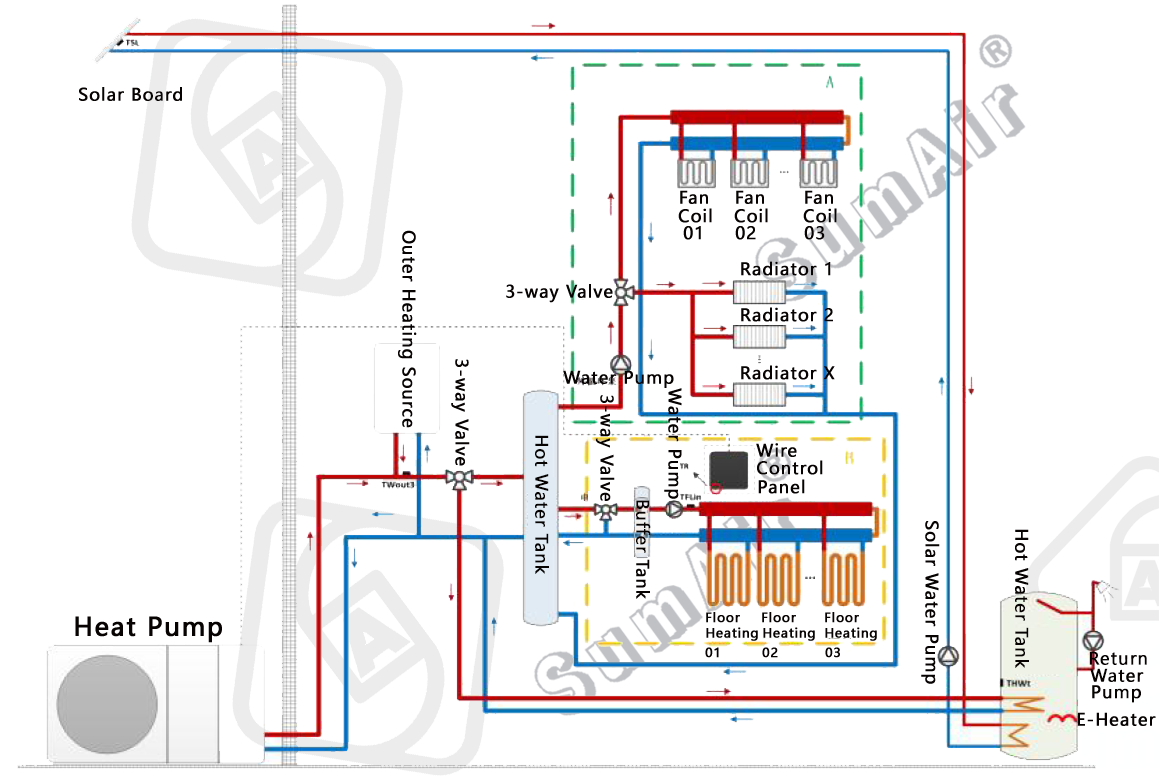
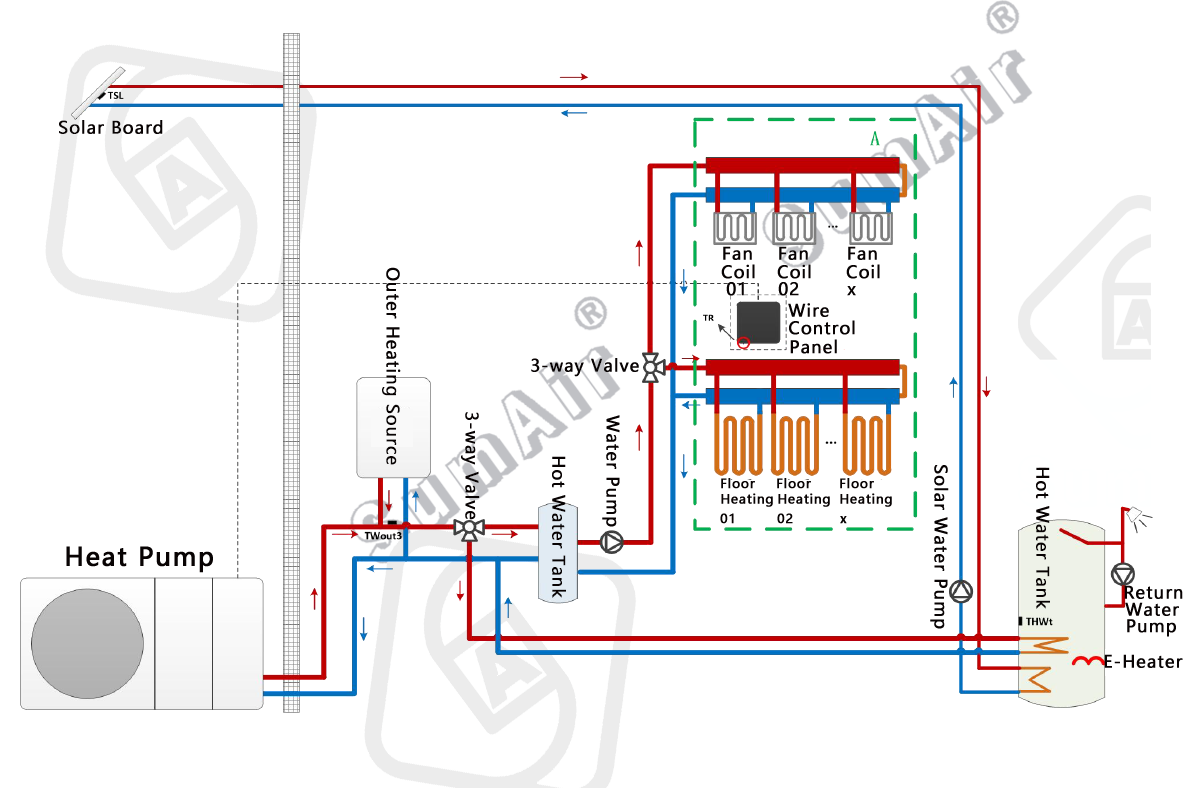
UNE EN 378-1:2017+A1:2021 - Energy Sources: Heat pumps will increasingly be paired with renewable energy sources such as solar or wind power, and integrated with energy storage systems to maximize efficiency and reduce carbon footprints.
- Low-GWP Refrigerants: The use of environmentally friendly refrigerants with low global warming potential (GWP) will become standard.

Design and Aesthetics:
- Compact and Modular Designs:
- Space-Saving Units: Heat pumps will be designed to be more compact, making them easier to install in a variety of settings, including urban environments.
- Modular Systems: Modular designs will allow for easier upgrades and maintenance, as well as scalability to suit different heating and cooling needs.
- Silent Operation:
- Noise Reduction: Innovations in materials and engineering will result in significantly quieter operation, making heat pumps more suitable for residential and urban areas.

User Experience:
- User-Friendly Interfaces:
- Intuitive Controls: Touchscreen interfaces and user-friendly apps will make it easy for users to control and monitor their systems.
- Personalized Settings: Customizable settings based on user preferences and habits will enhance comfort and convenience.
- Predictive Maintenance:
- Self-Diagnosis: Heat pumps will be equipped with sensors and diagnostics tools that can predict and alert users to potential issues before they become serious problems.
- Automated Service Calls: Integration with service providers will allow heat pumps to automatically schedule maintenance and repairs.

Integration and Application:
- Widespread Adoption:
- Residential and Commercial Use: Heat pumps will be a common feature in both homes and commercial buildings, driven by their efficiency and sustainability.
- District Heating and Cooling: Large-scale deployment in district heating and cooling networks will become more prevalent, especially in urban areas.
- Versatile Applications:
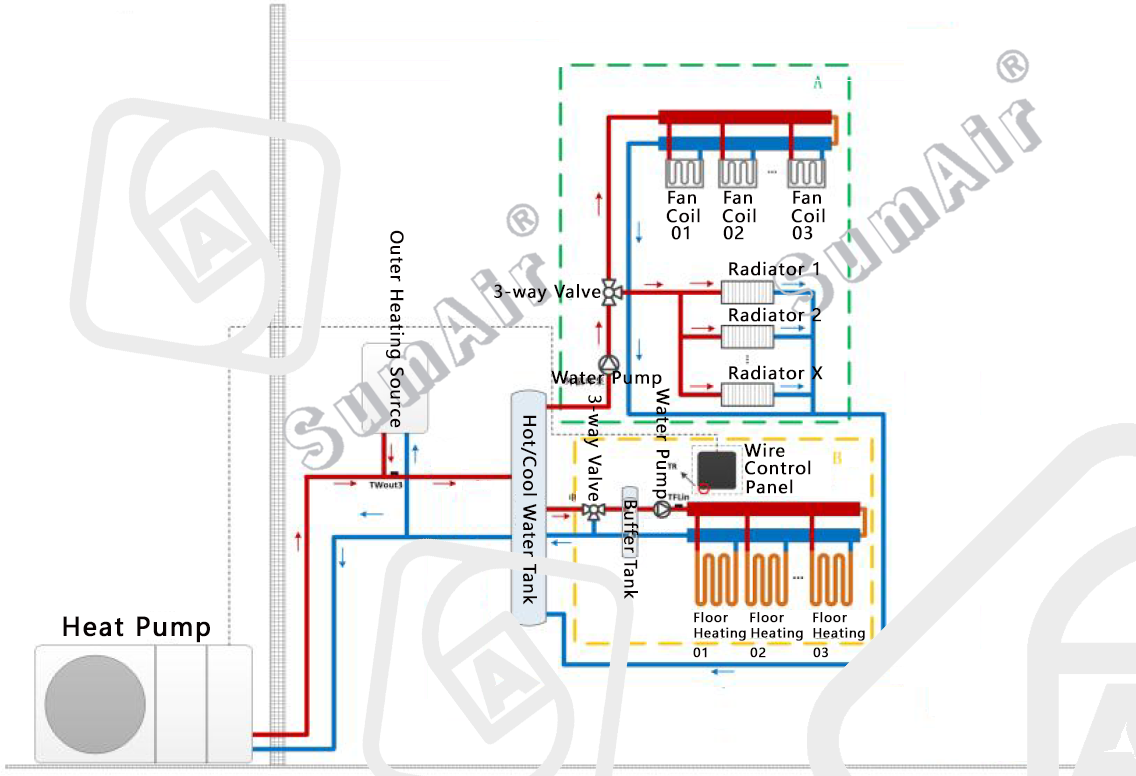
- Combined Heating and Cooling: Heat pumps will be used for both heating and cooling, as well as hot water production, making them a versatile solution for various climate conditions.
- Retrofitting Existing Systems: Advances in technology will make it easier to retrofit existing heating and cooling systems with heat pump technology.

Overall Impact:
- Energy Efficiency and Cost Savings: Future heat pumps will offer superior energy efficiency, leading to significant cost savings for users.
- Environmental Benefits: The widespread adoption of advanced heat pumps will contribute to a reduction in greenhouse gas emissions and reliance on fossil fuels, supporting global sustainability goals.
In summary, the heat pumps of the future will be highly efficient, environmentally friendly, smart, and user-centric, playing a crucial role in the transition to sustainable energy systems.